This off-season, the NBA completed the largest trade in league history, a seven-team megadeal that landed Kevin Durant with the Houston Rockets, setting off ripples across the league not just in talent distribution, but in salary-cap strategy and future optionality. While Durant is the centerpiece, the cap implications and timing of this trade are the real story — especially in an era where apron restrictions, aggregation limits, and hard caps increasingly dictate whether teams can actually compete.
Below, I break down what each team received and how this reshapes their championship window and cap flexibility.
What Each Team Received
Rockets receive:
- Kevin Durant (owed $49.9M in 2024–25, $53.3M in 2025–26)
- Clint Capela (via sign-and-trade routing)
Suns receive:
- Jalen Green (rookie max extension eligible; $12.5M in 2024–25)
- Dillon Brooks ($22.5M in 2024–25, descending)
- Khaman Maluach (No. 10 overall – rookie scale)
- Rasheer Fleming (No. 31 overall – rookie scale)
- Koby Brea (No. 41 overall – rookie scale)
- Daeqwon Plowden
- 2026 second-round pick
- 2032 second-round pick
Nets receive:
- 2026 second-round pick
- 2030 second-round pick
Warriors receive:
- Alex Toohey (No. 52 overall – rookie scale)
- Jahmai Mashack (No. 59 overall – rookie scale)
Hawks receive:
- David Roddy ($2.0M)
- 2031 second-round pick swap rights
- Cash considerations
Lakers receive:
- Adou Thiero (No. 36 overall – rookie scale)
- Cash considerations
Timberwolves receive:
- Rocco Zikarsky (No. 45 overall – rookie scale)
- 2026 second-round pick
- 2032 second-round pick
- Cash considerations
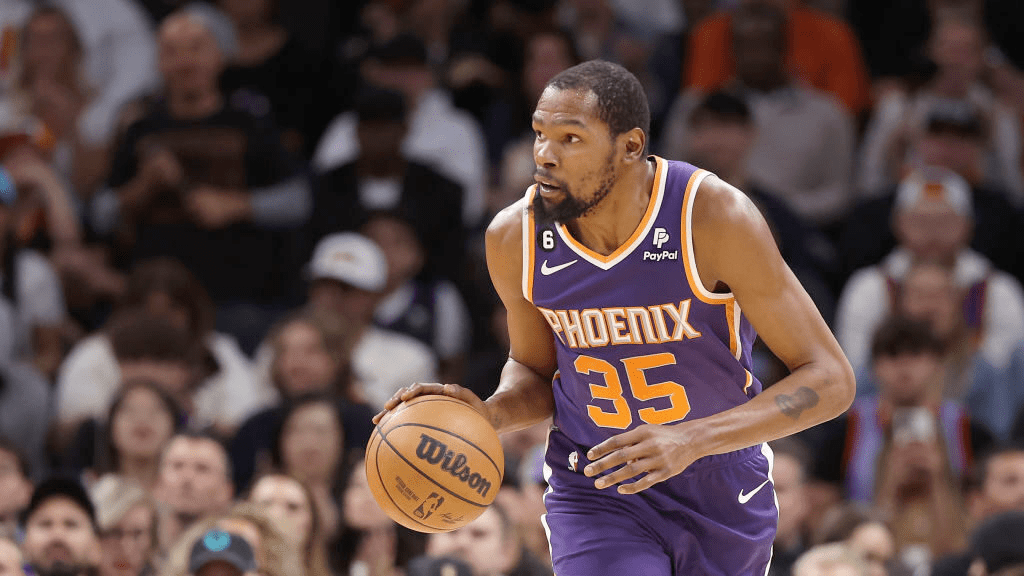
Houston Rockets: Converting Contention Into Championship Contention
Context
Houston emerged from its rebuild faster than expected. In 2024–25, the Rockets finished 52–30, secured the No. 2 seed in the West, and pushed Golden State to seven games in the first round. Importantly, they entered the offseason with significant cap structure flexibility, controlling a mix of rookie-scale contracts and mid-tier salaries.
This trade makes three things clear:
- Houston believes its championship window is open now
- A proven playoff scorer was worth sacrificing youth and picks
- Cap timing made this moment viable
Cap Mechanics in Play
- Durant’s salary: Durant carries a $49.9M cap hit in 2024–25, rising to $53.3M the following season.
- Salary consolidation: Houston moved off Jalen Green ($12.5M) and Dillon Brooks ($22.5M), along with rookie-scale salaries and picks, to consolidate multiple mid-sized slots into one max contract.
- Apron management: By trading for Durant rather than signing a max free agent, Houston avoided triggering hard-cap restrictions tied to sign-and-trades or non-taxpayer MLE usage.
- Post-trade position: Even with Durant added, Houston avoided immediate second-apron penalties by sequencing outgoing money carefully, preserving future trade flexibility.
Championship Impact
This move elevates Houston from a high-end playoff team to a legitimate title contender. Durant’s elite half-court scoring and playoff résumé directly address Houston’s biggest postseason weakness while keeping the cap structure workable in the short-to-medium term.
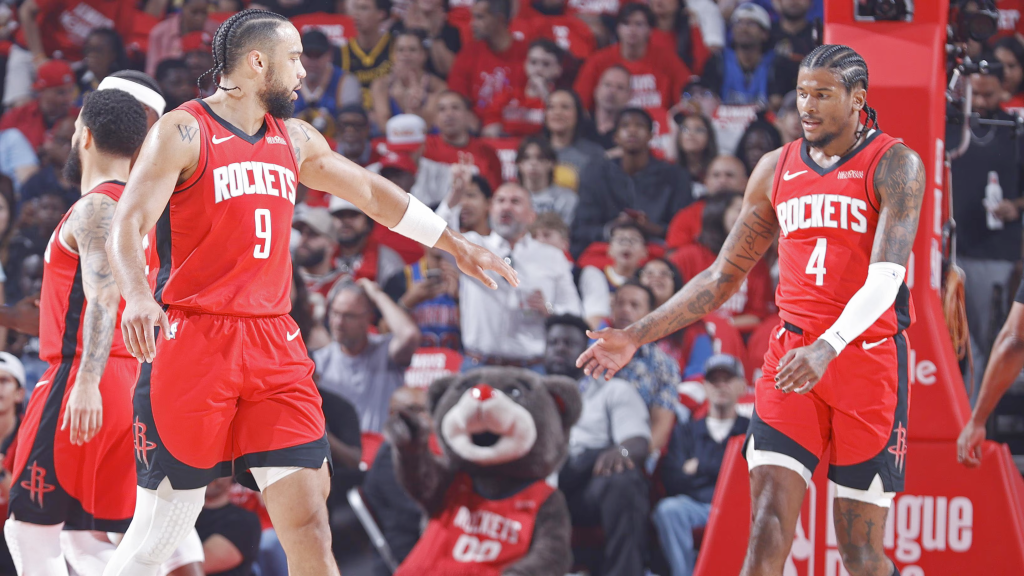
Phoenix Suns: Resetting Contract Structure With Optionality
Context
Phoenix’s 36–46 finish in 2024–25 forced a hard evaluation. Rather than doubling down on an aging, expensive core, the Suns chose to restructure their payroll entirely.
Cap Mechanics in Play
- Moving off a max: Durant’s near-$50M salary was replaced with a mix of mid-tier contracts (Green, Brooks) and multiple rookie-scale deals.
- Improved tradability: Phoenix now controls several salaries in the $10–25M range, far easier to aggregate or reroute than a single max slot.
- Apron relief: This shift dramatically reduces the risk of being locked into apron restrictions that would limit future roster moves.
- Draft capital: Rookie-scale contracts plus second-round picks provide cheap years of control, a premium under the new CBA.
This is a forward-looking reset. Phoenix sacrificed star power for cap mobility, younger assets, and tradeable contracts, giving the front office multiple paths instead of one expensive bet.
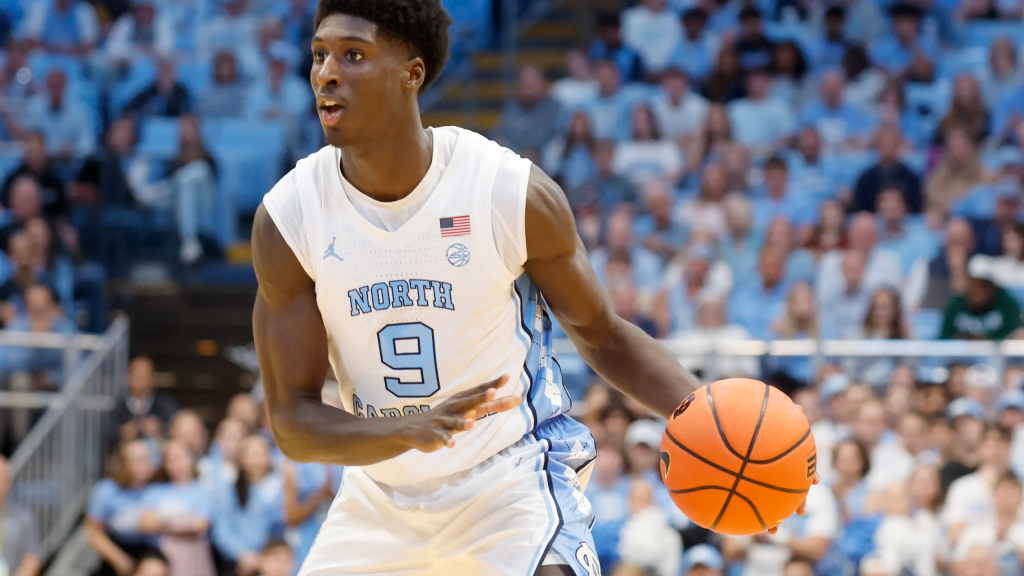
Nets: Asset Accumulation Without Risk
Brooklyn facilitated the deal without absorbing long-term salary, instead collecting two future second-round picks.
Cap Mechanics in Play
- Minimal cap impact: No meaningful salary added.
- Asset gain: Second-round picks offer low-cost control and future trade leverage.
Brooklyn preserved flexibility while quietly increasing its asset base — exactly the type of move rebuilding teams need under the new cap environment.

Hawks, Lakers, Warriors & Timberwolves: Draft-Night Cap Engineering
These teams functioned as cap routers, receiving rookie-scale players, picks, or cash without long-term payroll impact.
Cap Mechanics in Play
- Rookie-scale contracts: Minimal cap burden with multi-year control.
- Cash considerations: Helps offset luxury tax or fund future moves.
- Multi-team legality: Their involvement allowed salary matching and draft-rights routing to comply with CBA rules.
Why This Trade Required Seven Teams
Two structural rules drove the complexity:
- Apron and aggregation limits restricted how much salary teams could take back.
- Matching requirements forced multiple teams to exchange qualifying assets.
This wasn’t excess — it was necessary cap engineering to execute a blockbuster without triggering penalties.
Final Takeaway
This seven-team Durant trade underscores how modern championship building works:
- Houston leveraged cap timing and consolidation to chase a title without freezing future moves.
- Phoenix converted a max anchor into a diversified, flexible salary portfolio.
- Other teams extracted value by absorbing or routing contracts strategically.
In today’s NBA, championships are built as much on salary structure and timing as they are on talent.
Thank you for reading.
— Armaan Sharma
 Armaan Sharma
Leave a comment