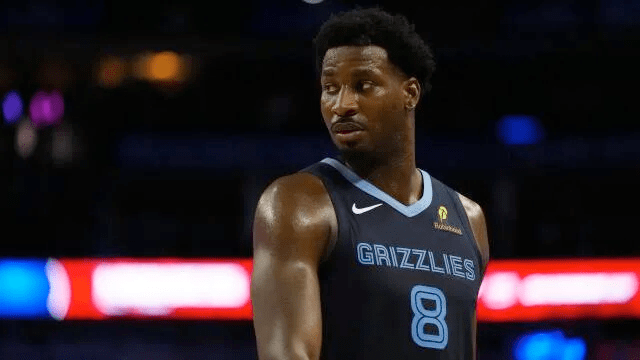
Trade (Feb. 2026)
Utah receives:
- Jaren Jackson Jr.
- John Konchar
- Jock Landale
- Vince Williams Jr.
Memphis receives:
- Walter Clayton Jr.
- Kyle Anderson
- Taylor Hendricks
- Georges Niang
- Three future first-round picks
The Cap Mechanics — How Utah Built the Deal
Jackson carries a $35,000,000 cap hit for 2025–26, the first season of his five-year maximum extension.
Utah did not match that salary with a single contract. Instead, they:
- Aggregated approximately $27.5 million in outgoing salary
- Utilized an Enhanced Trade Exception worth roughly $8.5 million
- Structured the deal to remain compliant with post-apron trade aggregation rules
Utah didn’t stumble into this opportunity. They had preserved enough flexibility (expirings + exception value) to execute when a star became available.
In the apron era, flexibility itself is an asset. Utah converted transaction tools into impact talent.
Utah’s Strategic Thesis — Compete Sooner
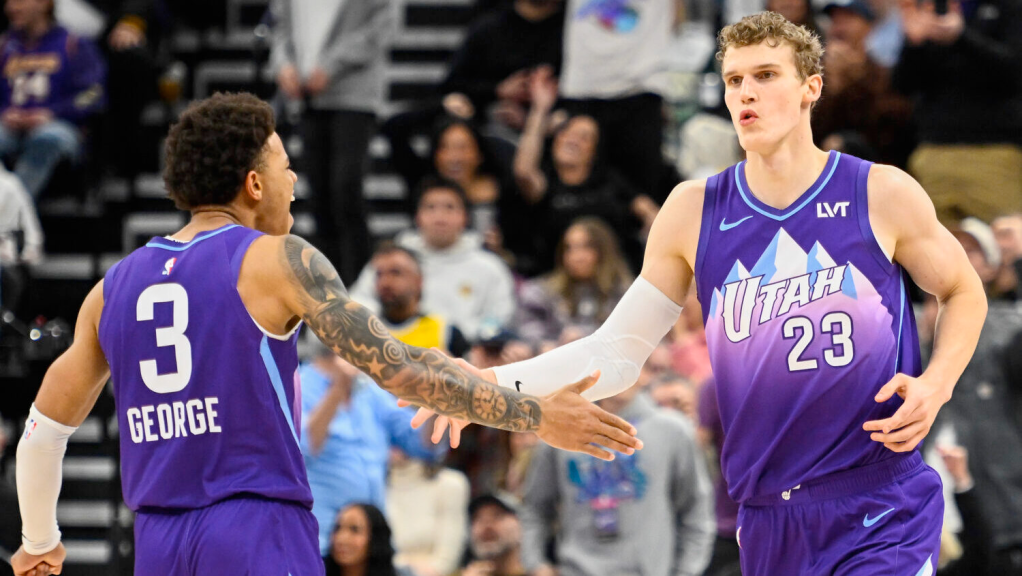
This move clearly accelerates Utah’s timeline.
Jackson is:
- In his prime
- Under long-term contract control
- A scalable two-way big who doesn’t require dominant usage to impact winning
Pairing him with Lauri Markkanen and a developing young guard core gives Utah a defensive identity anchor and a long runway to build toward sustainable playoff contention.
The key piece here is contract control. Jackson is locked in through at least 2029–30 (player option). That certainty reduces volatility in future planning and allows Utah to structure the next two offseasons around a known centerpiece.
This wasn’t a gamble on a rental. It was a multi-year commitment.
Memphis’ Countermove — Optionality Over Continuity
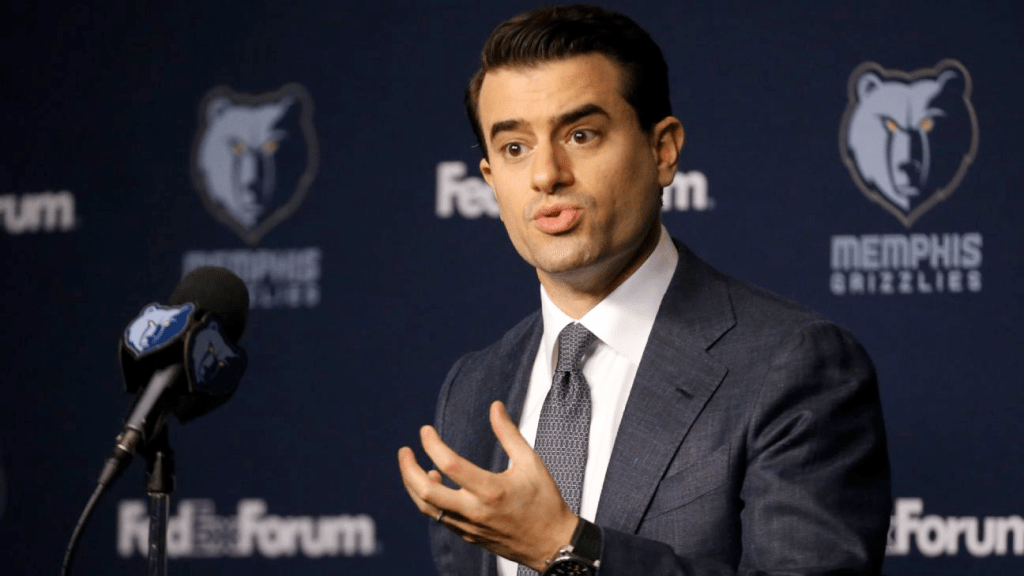
Memphis took a different view of its timeline.
Instead of committing long-term salary to a single star, they converted Jackson into:
- Three first-round picks
- Multiple rotation-level contracts
- A massive trade exception approaching $29 million
The trade exception is the hidden lever. It allows Memphis to absorb salary in a future deal without sending matching salary back, effectively turning cap flexibility into an asset acquisition mechanism.
For a team pivoting toward a younger core, this creates:
- Draft capital for talent swings
- Salary flexibility
- Transactional optionality
Rather than being locked into a veteran timeline, Memphis regains maneuverability.
Risk Assessment
Utah
- Significant draft capital committed.
- Jackson’s health and long-term durability become central to the competitive plan.
- Accelerating the timeline increases pressure to execute surrounding moves correctly.
Memphis
- Picks are probabilistic assets, not guaranteed players.
- The rebuild must be coherent — asset accumulation alone doesn’t guarantee upward mobility.
- The trade exception must be deployed intelligently before it expires.
Front Office Lens
This deal is less about talent evaluation and more about timeline alignment.
Utah used financial engineering and preserved flexibility to land a cornerstone and tilt toward competitiveness next season.
Memphis converted present-day impact into long-term leverage — picks, flexibility, and a structural reset.
Both teams acted rationally within their competitive windows.
That’s what makes this trade interesting.
By, Armaan Sharma
 Armaan Sharma
Leave a comment