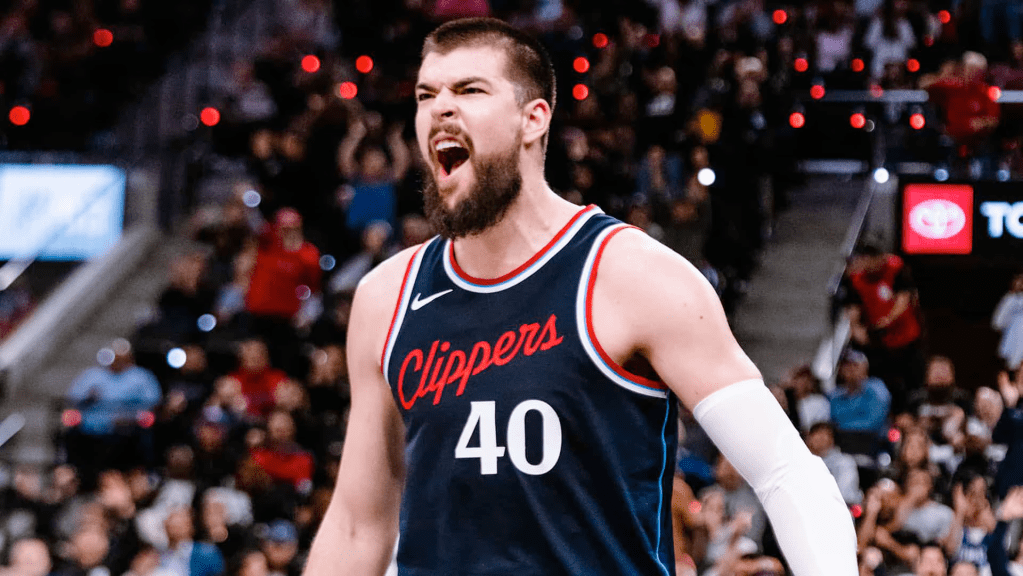
Pacers acquire Ivica Zubac — filling a long-standing roster hole ahead of Haliburton’s return
Trade specifics:
Indiana received Ivica Zubac and Kobe Brown, while the Los Angeles Clippers received Bennedict Mathurin, Isaiah Jackson, 2026 first-round pick (top-4 & 10-30 protected), 2029 unprotected first-round pick, and a second-round pick (terms of protections could convert the 2026 pick to a 2031 unprotected pick if conditions aren’t met).
From a cap and timeline lens:
- Zubac’s contract (signed 2024 on a three-year extension) is cost-stable and not cap-burdensome relative to his production, anchoring a position Indiana lacked after Myles Turner’s departure.
- The Pacers have been one of the league’s worst teams this season, but this trade is about 2026–27 and beyond — especially once Tyrese Haliburton returns from his Achilles injury.
- Indiana traded picks with protections tied to lottery outcomes, reflecting a controlled risk: they protect their ability to keep a high pick this season while still giving up valuable capital for a long-term starter.
For the Clippers, this adds back youthful flexibility and assets:
- Mathurin is in the final year of his rookie contract and could be extended, giving LAC a movable wing option.
- Isaiah Jackson is on a modest mid-tier contract.
- Draft capital now enhances their flexibility in future cap maneuvers.
This trade exemplifies timeline alignment: Indiana turned future capital into a foundational center for Haliburton, while the Clippers continued their shift toward youth and tradable assets as they manage cap pressure.
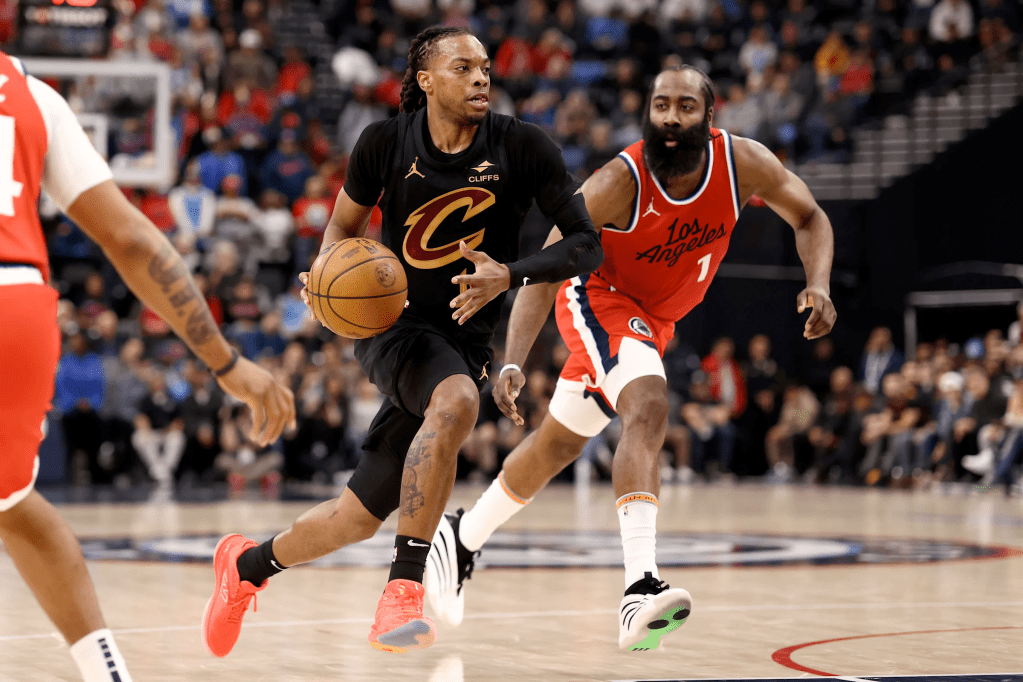
Clippers and Cavaliers — Harden for Garland + pick: a bid to optimize competitive windows
In another deal, the Cleveland Cavaliers acquired James Harden from the Clippers in exchange for Darius Garland and a 2026 second-round pick.
Cap context:
- Harden (36) is on a one-year contract with a player option for 2026–27, minimizing Cleveland’s long-term cap risk while adding a high-usage offensive creator.
- Garland (26) is under a larger multi-year contract, giving the Clippers a younger lead guard whose salary is more significant for future planning.
Timeline and flexibility take center stage:
- Cleveland sees itself in a win-now posture. They were well over .500 and positioned for a playoff push. Adding Harden — even on a short contract — boosts their offensive sequencing without anchoring future cap beyond the one year.
- Los Angeles, by taking on Garland and a second-round pick, gains a younger core piece with cap value that is easier to work around multiple scenarios (extensions, trades, or continued internal development).
This is a classic example of matching contract structure to competitive phase: Cleveland squeezes every bit of this season’s window, while the Clippers set themselves up with salary fungibility and a pick that could be used in future construction.
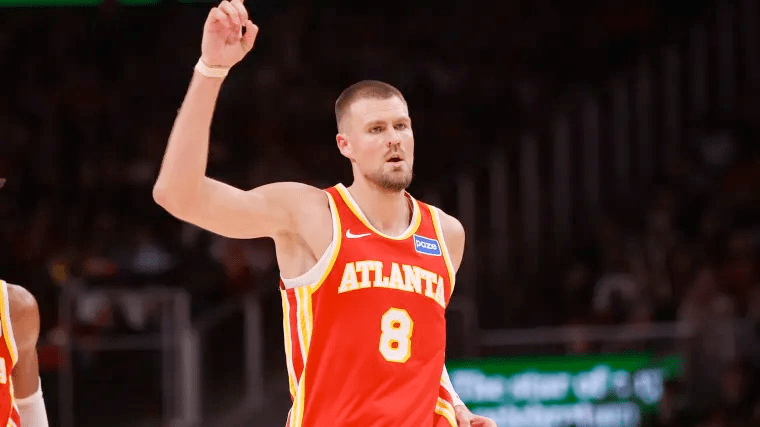
Warriors add Kristaps Porziņģis — win-now spacing and cap management
At the deadline, the Golden State Warriors traded Jonathan Kuminga and Buddy Hield to the Atlanta Hawks for Kristaps Porziņģis (with the Warriors sending Trayce Jackson-Davis to Toronto as part of related roster maneuvering).
Cap and contract context:
- Porziņģis carries an expiring salary (~$30.7 million for 2025–26), giving Golden State immediate veteran big presence without a long-term cap shackling.
- Kuminga (still young and on a cheaper, team-controlled deal) and Hield (on a multi-year contract) represent more future payroll commitments.
Timeline implications:
- The Warriors are operating in a narrow contention window with Stephen Curry and Draymond Green still productive. Adding Porziņģis — a versatile big who can shoot and protect the rim — boosts their current ceiling without significant multi-year cap tie-ups.
- After trading away potential future assets and giving Atlanta youth + picks, Golden State’s posture is clear: maximize the current championship window, even at some future flexibility cost.
This trade again emphasizes short-term competitive alignment and smart cap positioning via an expiring salary that doesn’t mortgage the future.
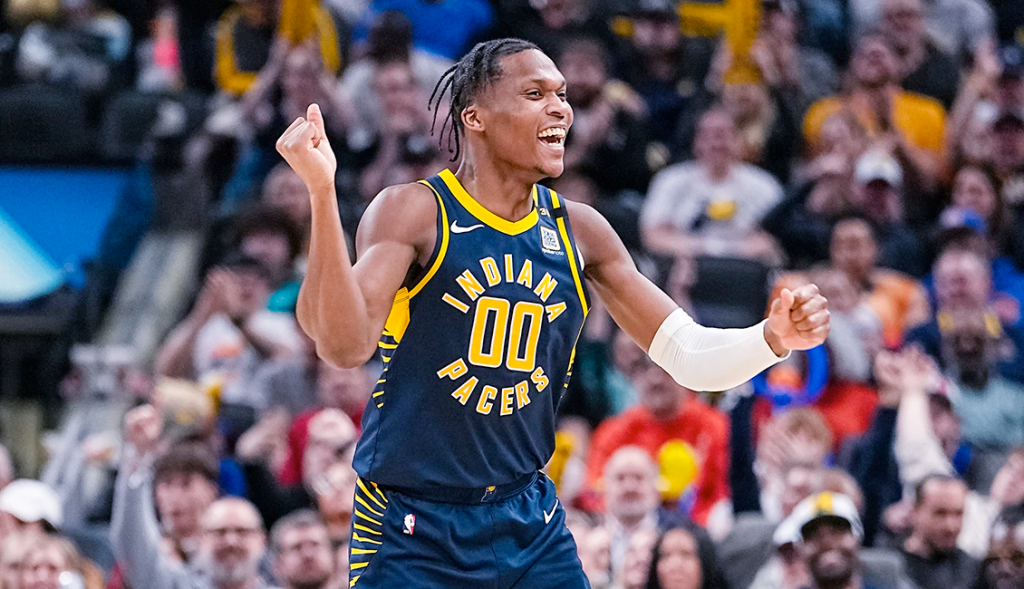
Trade themes: timeline and flexibility over splashy headlines
Across these trades, the underlying shared logic is how teams are calibrating their cap books to match where they are in the competitive arc:
- Indiana turned future capital into a role-defining center ahead of Haliburton’s return, consciously moving away from complete rebuild status.
- Cleveland used a short-term star acquisition to push an already competitive positioning without locking itself long term.
- Los Angeles and Golden State each made choices to increase roster flexibility — Clippers by prioritizing younger, movable contracts and picks; Warriors by taking on an expiring contract that supports a current title pursuit.
None of these deals were mere talent swaps. They were calculated moves that reflect organizational timelines, cap strategy, and long-term optionality — the true drivers of the apron-era NBA.
By, Armaan Sharma
 Armaan Sharma
Leave a comment