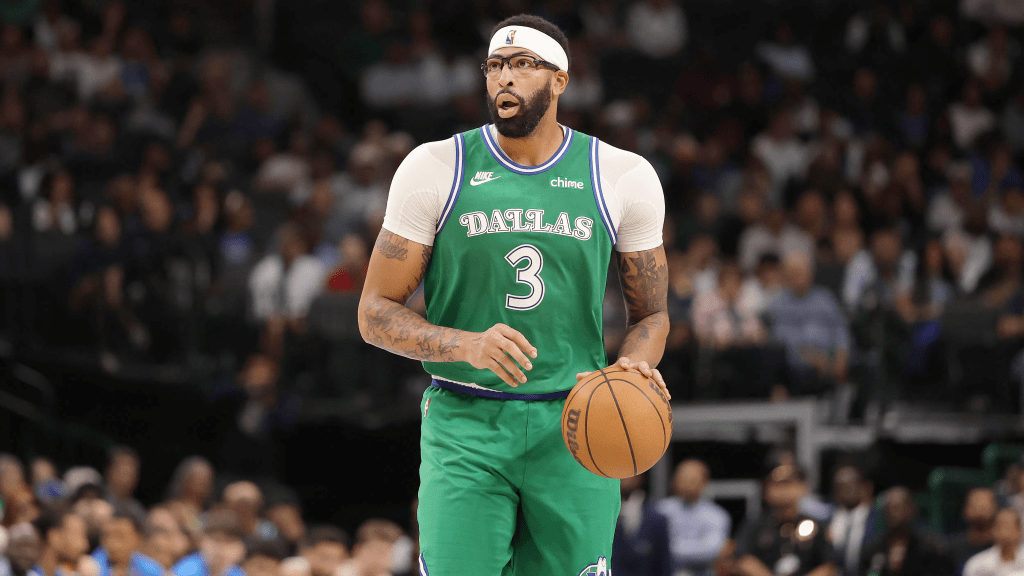
Wizards receive:
- Anthony Davis
- Jaden Hardy
- D’Angelo Russell
- Dante Exum
Mavericks receive:
- Khris Middleton
- AJ Johnson
- Tyus Jones
- Marvin Bagley III
- 2026 first-round pick (via Oklahoma City)
- 2030 first-round pick (via Golden State, top-20 protected)
- 2026 second-round pick (via Phoenix)
- 2027 second-round pick (via Chicago)
- 2029 second-round pick (via Houston)
Hornets receive:
- Malaki Branham — then waived to open a roster spot, allowing Charlotte to re-sign Pat Connaughton
This multi-team swap redefines the trajectories of both Dallas and Washington . One pivoting to maximize flexibility around its young cornerstone, the other aligning its roster for an upcoming competitive window.
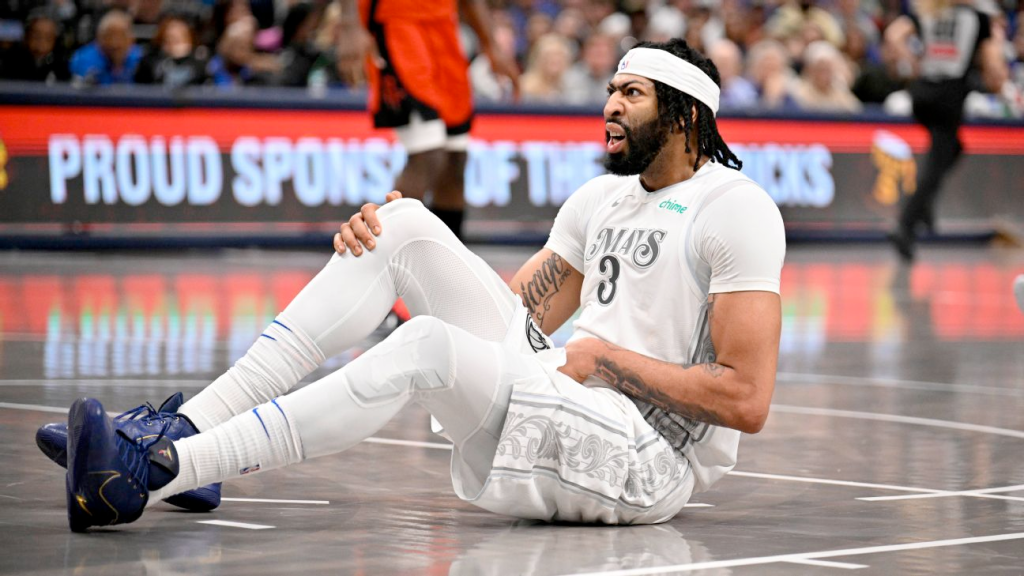
Cap landscape and trade mechanics
Anthony Davis carries a very large 2025–26 cap hit of approximately $54.1 million as part of his current contract. This makes him one of the priciest active salaries in the league.
Dallas essentially converted that big single salary into:
- Several mid-tier contracts
- A haul of future draft picks
- Enhanced cap and transactional flexibility
The return accomplishes multiple strategic goals:
- Shrinks a bloated cap slot that would have restricted future maneuverability.
- Adds divisible and tradable salaries that can be moved around to build out a roster around a rising star.
- Generates draft capital, which serves as both talent acquisition and future trade ammunition.
For Washington, taking on Davis’ large cap number means pushing closer to the luxury tax line and reducing future cap space, but it does so in the context of adding a potential cornerstone alongside the recently acquired Trae Young.
Charlotte’s role in the trade was largely procedural — acquiring Malaki Branham briefly, then waiving him to open a roster spot so the Hornets could bring back veteran wing Pat Connaughton.
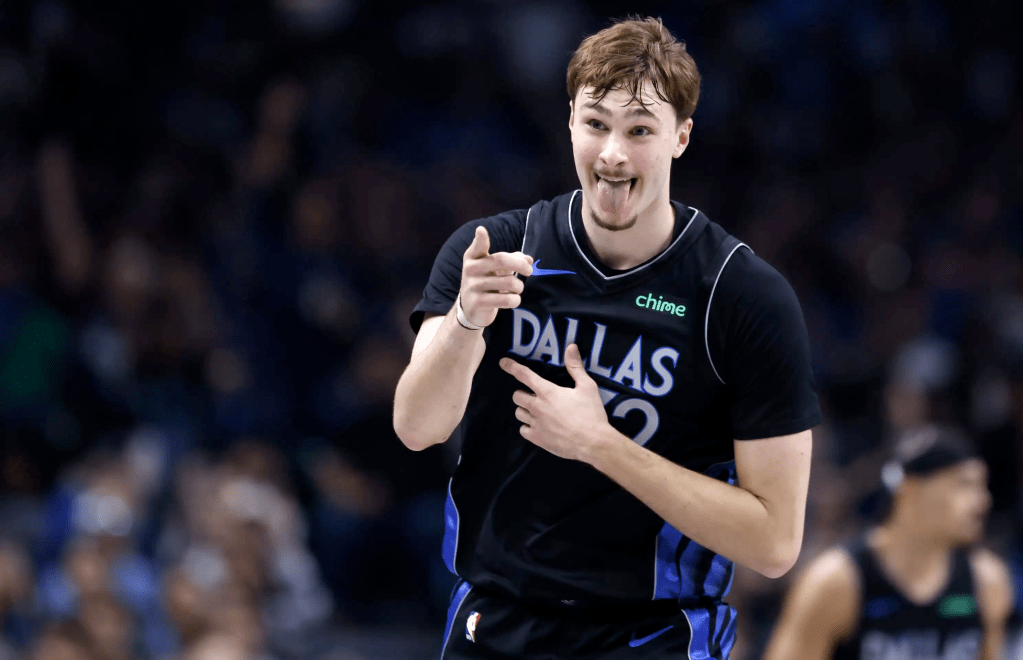
Dallas Mavericks — strategic reset around Cooper Flagg
For Dallas, this isn’t a repudiation of ambition — it’s a strategic refocusing.
After selecting Cooper Flagg with the No. 1 pick, the Mavericks’ front office (led by its co-general managers) has emphasized that Flagg is a “one-of-a-kind” foundational piece worth building around.
By trading Davis’ max-contract salary, Dallas:
- Avoids being locked into a single massive cap commitment for multiple seasons
- Creates roster flexibility to pursue complementary talent for Flagg
- Accumulates draft assets that can be redeployed as needed
Rather than limiting themselves to one big swing, Dallas now has the freedom to make multiple smaller, targeted roster improvements. The savings and diversified return give the Mavericks more optionality in how they build around Flagg, whether that’s acquiring wings, depth, or future rotation pieces.
This trade also gets Dallas comfortably below the luxury tax and second apron, a position that can be critical under current CBA restrictions.
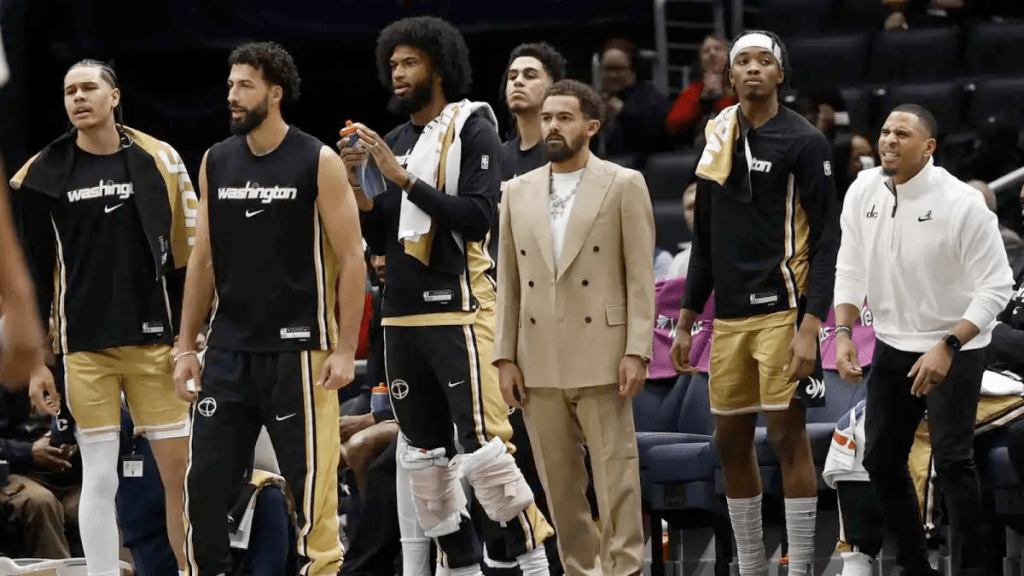
Washington Wizards — shifting from rebuild to contention
Washington entered the season in a deep rebuild with a young core, high draft picks, and zero expectation of competing immediately. That changed this January when the Wizards acquired Trae Young, injecting a proven offensive engine into their lineup.
Adding Anthony Davis, even knowing he may miss the tail end of this season due to injury, signals a clear shift to win-later — and soon.
By pairing Young with Davis the moment both are healthy, Washington has constructed:
- A dynamic offensive leader in Young
- A defensive anchor and elite rim presence in Davis
- A core that can realistically match up with contenders
The cap consequences are significant: Washington gave up draft capital and flexibility, and its payroll is now closer to the tax line after being tens of millions below it. But this is intentional.
Instead of continuing to lose for draft positioning, the Wizards appear to be embracing a controlled transition year:
- Allow Young and Davis to stay healthy
- Maximize young player minutes in the interim
- Maintain draft positioning this year
- Launch a true playoff push next season
This approach balances short-term losing with a long-term competitive recalibration. It’s Washington’s pivot from rebuild to “immediate post-rebuild contention mode.”
Future implications — timelines diverge
Maverick future
Looking ahead, Dallas now has:
- Cap flexibility to chase talent around Flagg
- Multiple draft assets to trade or keep
- A roster structure that avoids bottlenecking under one massive contract
This gives the Mavericks multiple paths forward, rather than a single all-in trajectory that can stall if one piece doesn’t pan out.
Wizard future
Washington’s path is aggressive and clear:
- They will likely continue to accumulate draft assets this season thanks to controlled losing.
- Once Young and Davis are healthy, the priority shifts to competing.
- The current core, supplemented by future drafts and targeted additions, is meant to contend rather than simply accumulate assets.
In other words:
- Dallas doubled down on optionality and flexibility.
- Washington doubled down on star talent and competitive timing.
These are contrasting philosophical commitments, each with its own expected risks and rewards.
Conclusion
On paper, this trade is a classic example of how teams in different competitive phases interpret cap rules and structural constraints to their advantage.
- Dallas turned a burdensome star salary into flexibility and long-term maneuverability around its franchise pivot, Cooper Flagg.
- Washington converted hard cap room and youth into a star-driven competitive window poised to open next season.
Both outcomes are coherent — just tailored to each franchise’s current state and future ambitions.
By, Armaan Sharma
 Armaan Sharma
Leave a comment